Learn the Essentials to Achieve Professional Results
Vinyl plank flooring is a popular choice for homeowners due to its affordability and stylish appearance. Understanding how to install it properly can save you both time and money. This guide will walk you through each step, ensuring your floor looks great and lasts long. Whether you’re new to DIY projects or looking to refine your skills, these steps offer clear instructions to help you succeed.
Gathering Your Tools and Materials
Before beginning the vinyl plank flooring installation process, it’s vital to gather all necessary tools and materials. You’ll need a utility knife, a measuring tape, a carpenter’s square, spacers, and a rubber mallet. Additionally, ensure that you have underlayment suitable for your subfloor type. Having everything ready will streamline the project and reduce unnecessary interruptions.
Preparing the Subfloor
The foundation of any successful installation starts with a well-prepared subfloor. Begin by cleaning the area thoroughly, removing any debris or dust that could interfere with adhesion. Check for any imperfections like holes or cracks, as these should be fixed before proceeding. Ensuring a smooth, clean surface helps prevent issues down the road.
Acclimating the Vinyl Planks
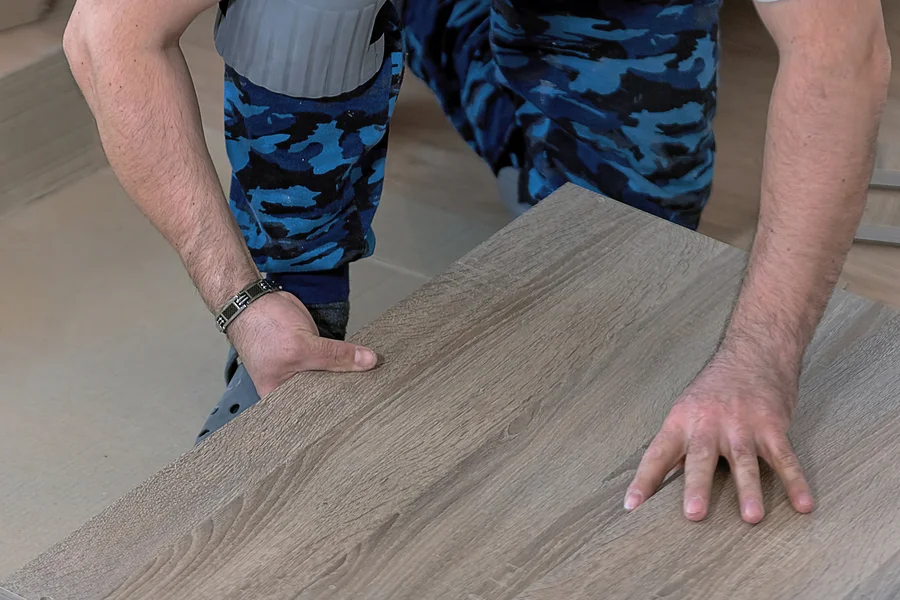
To avoid warping or other issues after installation, allow your vinyl planks to acclimate to the room temperature and humidity levels. Lay them flat in the space where they’ll be installed for at least 48 hours. This step ensures that they expand or contract as needed before they’re permanently placed.
Laying Out Your First Row
When starting with vinyl plank flooring installation, the first row sets the tone for the entire project. It’s crucial to measure accurately and leave a small gap around the edges for expansion. Use spacers between the planks and walls. This gap will be covered later by molding or trim but is essential for preventing buckling as temperatures change.
Click-Lock Installation Method
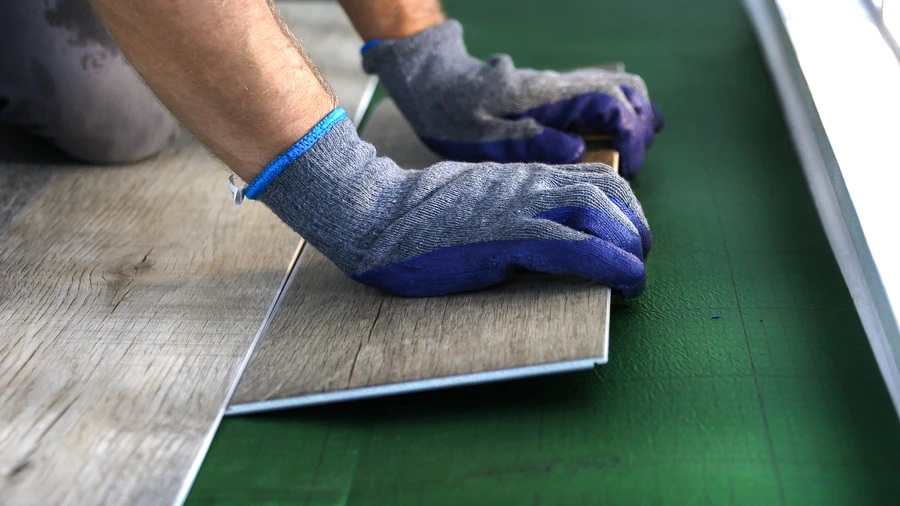
Most modern vinyl planks come with a click-lock system that simplifies installation. Starting from one corner of the room, connect each plank by clicking them together along their edges. Ensure each connection is snug to avoid gaps. Using a rubber mallet can help secure joints without damaging the plank surfaces.
- Ensure each plank clicks securely into place
- Use a rubber mallet gently on stubborn sections
- Check alignment frequently as you work across the floor
Trimming Around Obstacles
Rooms often contain obstacles such as door frames or heating vents. Carefully measure these areas and cut the vinyl planks accordingly using your utility knife or a jigsaw. Patience and precision are key here-properly trimmed planks fit seamlessly and maintain visual continuity.
Finishing Touches With Molding
After laying all planks, remove spacers and install baseboards or quarter round moldings to cover expansion gaps around the room’s perimeter. These finishing touches not only enhance aesthetics but also protect against dirt accumulation in the expansion spaces.
- Remove spacers used during initial layout
- Install moldings flush against walls
- Secure moldings with nails or adhesive
Maintaining Your New Floor
Your newly installed vinyl flooring requires minimal maintenance compared to traditional wood floors. Regular sweeping and occasional mopping keep it clean and shiny. Avoid harsh chemicals that may damage the finish, and consider using furniture pads to prevent scratches from heavy items.
Achieving Professional Results With Ease
BH Flooring can assist you further if additional support is needed during your installation journey. Based in Woodbridge, VA, our team offers expert guidance and services tailored to vinyl installations. Contact us at (301) 675-3410 for personalized advice and ensure your flooring project stands out with professional quality.